
𝐇𝐨𝐰 𝐭𝐨 𝐏𝐫𝐨𝐭𝐞𝐜𝐭 𝐒𝐭𝐞𝐞𝐥 𝐒𝐭𝐫𝐮𝐜𝐭𝐮𝐫𝐞𝐬 𝐟𝐫𝐨𝐦 𝐑𝐮𝐬𝐭 𝐚𝐧𝐝 𝐂𝐨𝐫𝐫𝐨𝐬𝐢𝐨𝐧: 𝐀 𝐂𝐨𝐦𝐩𝐥𝐞𝐭𝐞 𝐆𝐮𝐢𝐝𝐞 𝐭𝐨 𝐈𝐧𝐝𝐮𝐬𝐭𝐫𝐢𝐚𝐥 𝐏𝐫𝐨𝐭𝐞𝐜𝐭𝐢𝐯𝐞 𝐂𝐨𝐚𝐭𝐢𝐧𝐠𝐬
Steel is one of the most widely used materials in construction, infrastructure, scaffolding, engineering and manufacturing industries. Its strength, flexibility and durability make it an essential material for modern industrial applications. However, steel has one major challenge: rust and corrosion. When steel comes into contact with moisture, oxygen and certain environmental conditions, corrosion can gradually damage its surface, reduce its durability and increase maintenance costs. This is why choosing the right industrial paint and protective coating system is essential for protecting steel structures and metal components. In this guide, we explain the major causes of steel corrosion, effective prevention methods and the importance of industrial protective coatings. 1. 𝐖𝐡𝐚𝐭 𝐂𝐚𝐮𝐬𝐞𝐬 𝐑𝐮𝐬𝐭 𝐚𝐧𝐝 𝐂𝐨𝐫𝐫𝐨𝐬𝐢𝐨𝐧 𝐢𝐧 𝐒𝐭𝐞𝐞𝐥? Rust is a form of corrosion that occurs when iron reacts with oxygen and moisture. Several environmental and operational factors can accelerate corrosion: a. 𝐂𝐨𝐧𝐭𝐢𝐧𝐮𝐨𝐮𝐬 𝐞𝐱𝐩𝐨𝐬𝐮𝐫𝐞 𝐭𝐨 𝐫𝐚𝐢𝐧 𝐚𝐧𝐝 𝐡𝐮𝐦𝐢𝐝𝐢𝐭𝐲. b. 𝐂𝐨𝐚𝐬𝐭𝐚𝐥 𝐞𝐧𝐯𝐢𝐫𝐨𝐧𝐦𝐞𝐧𝐭𝐬 𝐰𝐢𝐭𝐡 𝐬𝐚𝐥𝐭 𝐞𝐱𝐩𝐨𝐬𝐮𝐫𝐞. c. 𝐈𝐧𝐝𝐮𝐬𝐭𝐫𝐢𝐚𝐥 𝐜𝐡𝐞𝐦𝐢𝐜𝐚𝐥𝐬 𝐚𝐧𝐝 𝐩𝐨𝐥𝐥𝐮𝐭𝐚𝐧𝐭𝐬. d. 𝐈𝐦𝐩𝐫𝐨𝐩𝐞𝐫 𝐬𝐮𝐫𝐟𝐚𝐜𝐞 𝐩𝐫𝐞𝐩𝐚𝐫𝐚𝐭𝐢𝐨𝐧 𝐛𝐞𝐟𝐨𝐫𝐞 𝐩𝐚𝐢𝐧𝐭𝐢𝐧𝐠. e. 𝐃𝐚𝐦𝐚𝐠𝐞 𝐭𝐨 𝐞𝐱𝐢𝐬𝐭𝐢𝐧𝐠 𝐩𝐫𝐨𝐭𝐞𝐜𝐭𝐢𝐯𝐞 𝐜𝐨𝐚𝐭𝐢𝐧𝐠𝐬. f. 𝐏𝐨𝐨𝐫 𝐬𝐞𝐥𝐞𝐜𝐭𝐢𝐨𝐧 𝐨𝐟 𝐩𝐫𝐢𝐦𝐞𝐫𝐬 𝐚𝐧𝐝 𝐭𝐨𝐩𝐜𝐨𝐚𝐭𝐬. Steel structures exposed to outdoor conditions generally require appropriate corrosion protection based on their operating environment.
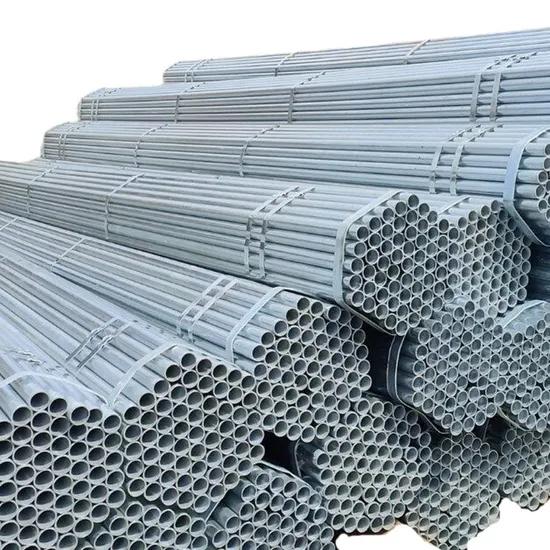
- 𝐖𝐡𝐲 𝐈𝐬 𝐂𝐨𝐫𝐫𝐨𝐬𝐢𝐨𝐧 𝐏𝐫𝐨𝐭𝐞𝐜𝐭𝐢𝐨𝐧 𝐈𝐦𝐩𝐨𝐫𝐭𝐚𝐧𝐭?
Corrosion is not just a surface appearance problem. It can affect the performance and service life of industrial equipment and structures.
Proper corrosion protection can help businesses:
𝐑𝐞𝐝𝐮𝐜𝐞 𝐌𝐚𝐢𝐧𝐭𝐞𝐧𝐚𝐧𝐜𝐞 𝐂𝐨𝐬𝐭𝐬: Suitable coating systems help minimise corrosion-related maintenance and repainting requirements.
𝐈𝐦𝐩𝐫𝐨𝐯𝐞 𝐃𝐮𝐫𝐚𝐛𝐢𝐥𝐢𝐭𝐲: Protective coatings help extend the service life of steel components when correctly specified and maintained.
𝐌𝐚𝐢𝐧𝐭𝐚𝐢𝐧 𝐒𝐮𝐫𝐟𝐚𝐜𝐞 𝐐𝐮𝐚𝐥𝐢𝐭𝐲: A suitable paint system provides a consistent and professional finish.
𝐏𝐫𝐨𝐭𝐞𝐜𝐭 𝐈𝐧𝐝𝐮𝐬𝐭𝐫𝐢𝐚𝐥 𝐈𝐧𝐯𝐞𝐬𝐭𝐦𝐞𝐧𝐭𝐬: Machinery, fabricated structures and scaffolding equipment represent valuable business assets that require appropriate protection.
- 𝐓𝐲𝐩𝐞𝐬 𝐨𝐟 𝐈𝐧𝐝𝐮𝐬𝐭𝐫𝐢𝐚𝐥 𝐏𝐚𝐢𝐧𝐭𝐬 𝐔𝐬𝐞𝐝 𝐟𝐨𝐫 𝐒𝐭𝐞𝐞𝐥 𝐏𝐫𝐨𝐭𝐞𝐜𝐭𝐢𝐨𝐧
Selecting the correct coating depends on the steel surface, environmental exposure and required performance.
𝐀. 𝐀𝐧𝐭𝐢-𝐂𝐨𝐫𝐫𝐨𝐬𝐢𝐨𝐧 𝐏𝐫𝐢𝐦𝐞𝐫𝐬 Anti-corrosion primers are applied to properly prepared metal surfaces to support corrosion protection and improve adhesion of subsequent coating layers.
Common primer technologies include zinc phosphate and zinc-rich primers, each having different performance characteristics.
𝐁. 𝐒𝐲𝐧𝐭𝐡𝐞𝐭𝐢𝐜 𝐄𝐧𝐚𝐦𝐞𝐥 𝐏𝐚𝐢𝐧𝐭𝐬 Synthetic enamel paints provide a smooth, durable decorative and protective finish for suitable metal surfaces. They are widely used in engineering, fabrication and industrial finishing applications.
𝐂. 𝐄𝐩𝐨𝐱𝐲 𝐂𝐨𝐚𝐭𝐢𝐧𝐠𝐬 Epoxy coatings are commonly selected for demanding industrial environments where chemical resistance, adhesion and abrasion resistance are important. They are used in industrial equipment, metal structures and protective coating systems.
𝐃. 𝐐𝐮𝐢𝐜𝐤 𝐃𝐫𝐲𝐢𝐧𝐠 𝐈𝐧𝐝𝐮𝐬𝐭𝐫𝐢𝐚𝐥 𝐏𝐚𝐢𝐧𝐭𝐬 Quick-drying paints are suitable for manufacturing operations where faster drying and handling are important for production efficiency.
𝐄. 𝐒𝐩𝐞𝐜𝐢𝐚𝐥𝐢𝐬𝐞𝐝 𝐏𝐫𝐨𝐭𝐞𝐜𝐭𝐢𝐯𝐞 𝐂𝐨𝐚𝐭𝐢𝐧𝐠𝐬 Depending on the operating environment, specialised coatings may be required for exposure to chemicals, high temperatures, moisture or other demanding conditions.
4. 𝐈𝐦𝐩𝐨𝐫𝐭𝐚𝐧𝐜𝐞 𝐨𝐟 𝐒𝐮𝐫𝐟𝐚𝐜𝐞 𝐏𝐫𝐞𝐩𝐚𝐫𝐚𝐭𝐢𝐨𝐧 𝐁𝐞𝐟𝐨𝐫𝐞 𝐏𝐚𝐢𝐧𝐭𝐢𝐧𝐠 Even a high-quality industrial paint may fail prematurely if the steel surface is not properly prepared.
Surface preparation is one of the most important stages of any protective coating application.
Key preparation steps include:
A. 𝐑𝐞𝐦𝐨𝐯𝐞 𝐥𝐨𝐨𝐬𝐞 𝐫𝐮𝐬𝐭, 𝐦𝐢𝐥𝐥 𝐬𝐜𝐚𝐥𝐞 𝐚𝐧𝐝 𝐞𝐱𝐢𝐬𝐭𝐢𝐧𝐠 𝐝𝐚𝐦𝐚𝐠𝐞𝐝 𝐜𝐨𝐚𝐭𝐢𝐧𝐠𝐬.
B. 𝐑𝐞𝐦𝐨𝐯𝐞 𝐨𝐢𝐥, 𝐠𝐫𝐞𝐚𝐬𝐞, 𝐝𝐮𝐬𝐭 𝐚𝐧𝐝 𝐨𝐭𝐡𝐞𝐫 𝐜𝐨𝐧𝐭𝐚𝐦𝐢𝐧𝐚𝐧𝐭𝐬.
C. 𝐒𝐞𝐥𝐞𝐜𝐭 𝐚𝐧 𝐚𝐩𝐩𝐫𝐨𝐩𝐫𝐢𝐚𝐭𝐞 𝐦𝐞𝐜𝐡𝐚𝐧𝐢𝐜𝐚𝐥 𝐨𝐫 𝐚𝐛𝐫𝐚𝐬𝐢𝐯𝐞 𝐜𝐥𝐞𝐚𝐧𝐢𝐧𝐠 𝐦𝐞𝐭𝐡𝐨𝐝.
D. 𝐄𝐧𝐬𝐮𝐫𝐞 𝐭𝐡𝐞 𝐬𝐮𝐫𝐟𝐚𝐜𝐞 𝐢𝐬 𝐜𝐥𝐞𝐚𝐧 𝐚𝐧𝐝 𝐝𝐫𝐲 𝐛𝐞𝐟𝐨𝐫𝐞 𝐜𝐨𝐚𝐭𝐢𝐧𝐠.
E. 𝐀𝐩𝐩𝐥𝐲 𝐭𝐡𝐞 𝐫𝐞𝐜𝐨𝐦𝐦𝐞𝐧𝐝𝐞𝐝 𝐩𝐫𝐢𝐦𝐞𝐫 𝐰𝐢𝐭𝐡𝐢𝐧 𝐭𝐡𝐞 𝐬𝐩𝐞𝐜𝐢𝐟𝐢𝐞𝐝 𝐜𝐨𝐧𝐝𝐢𝐭𝐢𝐨
For demanding industrial applications, abrasive blast cleaning to an appropriate cleanliness standard may be recommended.
Always follow the coating manufacturer's technical data sheet and applicable project specifications.
- 𝐇𝐨𝐰 𝐭𝐨 𝐒𝐞𝐥𝐞𝐜𝐭 𝐭𝐡𝐞 𝐑𝐢𝐠𝐡𝐭 𝐏𝐫𝐨𝐭𝐞𝐜𝐭𝐢𝐯𝐞 𝐂𝐨𝐚𝐭𝐢𝐧𝐠 𝐟𝐨𝐫 𝐒𝐭𝐞𝐞𝐥 𝐒𝐭𝐫𝐮𝐜𝐭𝐮𝐫𝐞𝐬?
Before purchasing industrial paint, consider the following factors:
𝐄𝐧𝐯𝐢𝐫𝐨𝐧𝐦𝐞𝐧𝐭𝐚𝐥 𝐄𝐱𝐩𝐨𝐬𝐮𝐫𝐞: Determine whether the steel will be used indoors, outdoors, in coastal areas or in industrial environments.
𝐒𝐮𝐫𝐟𝐚𝐜𝐞 𝐂𝐨𝐧𝐝𝐢𝐭𝐢𝐨𝐧: Identify whether the surface is new steel, previously painted steel, galvanised steel or corroded metal.
𝐂𝐨𝐚𝐭𝐢𝐧𝐠 𝐂𝐨𝐦𝐩𝐚𝐭𝐢𝐛𝐢𝐥𝐢𝐭𝐲: Ensure the primer and topcoat are compatible with each other.
𝐃𝐫𝐲𝐢𝐧𝐠 𝐚𝐧𝐝 𝐂𝐮𝐫𝐢𝐧𝐠 𝐓𝐢𝐦𝐞: Consider production schedules and the time required before handling or service.
𝐄𝐱𝐩𝐞𝐜𝐭𝐞𝐝 𝐒𝐞𝐫𝐯𝐢𝐜𝐞 𝐋𝐢𝐟𝐞: Select a coating system according to the required durability and maintenance schedule.
𝐀𝐩𝐩𝐥𝐢𝐜𝐚𝐭𝐢𝐨𝐧 𝐌𝐞𝐭𝐡𝐨𝐝: Confirm suitability for spray, brush or roller application.
- 𝐂𝐨𝐫𝐫𝐨𝐬𝐢𝐨𝐧 𝐏𝐫𝐨𝐭𝐞𝐜𝐭𝐢𝐨𝐧 𝐢𝐧 𝐭𝐡𝐞 𝐒𝐜𝐚𝐟𝐟𝐨𝐥𝐝𝐢𝐧𝐠 𝐚𝐧𝐝 𝐂𝐨𝐧𝐬𝐭𝐫𝐮𝐜𝐭𝐢𝐨𝐧 𝐈𝐧𝐝𝐮𝐬𝐭𝐫𝐲
Scaffolding pipes, couplers, frames, adjustable props and other steel components are regularly exposed to outdoor environments and repeated handling.
These conditions can damage coating layers and expose steel to moisture and oxygen.
An appropriate industrial coating system can help protect scaffolding components against corrosion and maintain their appearance.
However, paint should not be considered a substitute for proper inspection, structural maintenance or replacement of damaged scaffolding components.
7. 𝐂𝐨𝐦𝐦𝐨𝐧 𝐌𝐢𝐬𝐭𝐚𝐤𝐞𝐬 𝐭𝐨 𝐀𝐯𝐨𝐢𝐝 𝐃𝐮𝐫𝐢𝐧𝐠 𝐈𝐧𝐝𝐮𝐬𝐭𝐫𝐢𝐚𝐥 𝐏𝐚𝐢𝐧𝐭𝐢𝐧𝐠 Many coating failures occur because of incorrect application practices.
Avoid these common mistakes:
A. 𝐀𝐩𝐩𝐥𝐲𝐢𝐧𝐠 𝐩𝐚𝐢𝐧𝐭 𝐨𝐯𝐞𝐫 𝐥𝐨𝐨𝐬𝐞 𝐫𝐮𝐬𝐭 𝐨𝐫 𝐜𝐨𝐧𝐭𝐚𝐦𝐢𝐧𝐚𝐭𝐞𝐝 𝐬𝐮𝐫𝐟𝐚𝐜𝐞𝐬.
B. 𝐈𝐠𝐧𝐨𝐫𝐢𝐧𝐠 𝐫𝐞𝐜𝐨𝐦𝐦𝐞𝐧𝐝𝐞𝐝 𝐬𝐮𝐫𝐟𝐚𝐜𝐞 𝐩𝐫𝐞𝐩𝐚𝐫𝐚𝐭𝐢𝐨𝐧.
C. 𝐔𝐬𝐢𝐧𝐠 𝐢𝐧𝐜𝐨𝐦𝐩𝐚𝐭𝐢𝐛𝐥𝐞 𝐩𝐫𝐢𝐦𝐞𝐫 𝐚𝐧𝐝 𝐭𝐨𝐩𝐜𝐨𝐚𝐭 𝐜𝐨𝐦𝐛𝐢𝐧𝐚𝐭𝐢𝐨𝐧𝐬.
D. 𝐀𝐩𝐩𝐥𝐲𝐢𝐧𝐠 𝐩𝐚𝐢𝐧𝐭 𝐨𝐮𝐭𝐬𝐢𝐝𝐞 𝐫𝐞𝐜𝐨𝐦𝐦𝐞𝐧𝐝𝐞𝐝 𝐭𝐞𝐦𝐩𝐞𝐫𝐚𝐭𝐮𝐫𝐞 𝐚𝐧𝐝 𝐡𝐮𝐦𝐢𝐝𝐢𝐭𝐲 𝐥𝐢𝐦𝐢𝐭𝐬.
E. 𝐈𝐠𝐧𝐨𝐫𝐢𝐧𝐠 𝐫𝐞𝐜𝐨𝐦𝐦𝐞𝐧𝐝𝐞𝐝 𝐝𝐫𝐲 𝐟𝐢𝐥𝐦 𝐭𝐡𝐢𝐜𝐤𝐧𝐞𝐬𝐬.
F. 𝐇𝐚𝐧𝐝𝐥𝐢𝐧𝐠 𝐜𝐨𝐚𝐭𝐞𝐝 𝐜𝐨𝐦𝐩𝐨𝐧𝐞𝐧𝐭𝐬 𝐛𝐞𝐟𝐨𝐫𝐞 𝐬𝐮𝐟𝐟𝐢𝐜𝐢𝐞𝐧𝐭 𝐝𝐫𝐲𝐢𝐧𝐠 𝐨𝐫 𝐜𝐮𝐫𝐢𝐧𝐠.
I. 𝐅𝐚𝐢𝐥𝐢𝐧𝐠 𝐭𝐨 𝐢𝐧𝐬𝐩𝐞𝐜𝐭 𝐜𝐨𝐚𝐭𝐢𝐧𝐠 𝐝𝐚𝐦𝐚𝐠𝐞 𝐝𝐮𝐫𝐢𝐧𝐠 𝐦𝐚𝐢𝐧𝐭𝐞𝐧𝐚𝐧𝐜𝐞.
Following proper application procedures can significantly improve coating performance.
- 𝐀𝐞𝐫𝐨𝐩𝐨𝐥𝐢𝐬𝐡 𝐏𝐚𝐢𝐧𝐭𝐬 – 𝐒𝐮𝐩𝐩𝐨𝐫𝐭𝐢𝐧𝐠 𝐈𝐧𝐝𝐮𝐬𝐭𝐫𝐢𝐚𝐥 𝐂𝐨𝐚𝐭𝐢𝐧𝐠 𝐑𝐞𝐪𝐮𝐢𝐫𝐞𝐦𝐞𝐧𝐭𝐬
Aeropolish Paints focuses on industrial and decorative paint solutions for businesses requiring dependable coating products.
Our industrial coating portfolio includes synthetic enamel paints, quick-drying paints, epoxy paints and anti-corrosion coating solutions for suitable industrial applications.
We aim to support engineering companies, steel fabricators, scaffolding manufacturers, construction businesses, industrial buyers and distribution partners.
Whether your requirement involves metal finishing, industrial protection or bulk paint procurement, selecting the right coating system is essential.
Looking for Industrial Paint and Protective Coating Solutions?
Connect with Aeropolish Paints to discuss your industrial paint requirements, bulk supply enquiries and business partnership opportunities.
Visit our website to explore our products and contact our team.
𝐅𝐫𝐞𝐪𝐮𝐞𝐧𝐭𝐥𝐲 𝐀𝐬𝐤𝐞𝐝 𝐐𝐮𝐞𝐬𝐭𝐢𝐨𝐧𝐬
𝐐1. 𝐖𝐡𝐚𝐭 𝐢𝐬 𝐭𝐡𝐞 𝐛𝐞𝐬𝐭 𝐩𝐚𝐢𝐧𝐭 𝐭𝐨 𝐩𝐫𝐞𝐯𝐞𝐧𝐭 𝐫𝐮𝐬𝐭 𝐨𝐧 𝐬𝐭𝐞𝐞𝐥? The right choice depends on the exposure environment and surface condition. Suitable anti-corrosion primers combined with compatible protective topcoats are commonly used.
𝐐2. 𝐂𝐚𝐧 𝐬𝐲𝐧𝐭𝐡𝐞𝐭𝐢𝐜 𝐞𝐧𝐚𝐦𝐞𝐥 𝐩𝐚𝐢𝐧𝐭 𝐩𝐫𝐞𝐯𝐞𝐧𝐭 𝐫𝐮𝐬𝐭? Synthetic enamel can provide a protective finish on properly prepared and primed metal surfaces. The complete coating system determines the level of corrosion protection.
𝐐3. 𝐖𝐡𝐲 𝐢𝐬 𝐩𝐫𝐢𝐦𝐞𝐫 𝐢𝐦𝐩𝐨𝐫𝐭𝐚𝐧𝐭 𝐛𝐞𝐟𝐨𝐫𝐞 𝐩𝐚𝐢𝐧𝐭𝐢𝐧𝐠 𝐬𝐭𝐞𝐞𝐥? Primer improves coating adhesion and provides an essential layer of protection. The correct primer should be selected according to the substrate and coating system.
𝐐4. 𝐈𝐬 𝐞𝐩𝐨𝐱𝐲 𝐩𝐚𝐢𝐧𝐭 𝐬𝐮𝐢𝐭𝐚𝐛𝐥𝐞 𝐟𝐨𝐫 𝐬𝐭𝐞𝐞𝐥 𝐬𝐭𝐫𝐮𝐜𝐭𝐮𝐫𝐞𝐬? Yes. Suitable epoxy coating systems are widely used on steel structures where strong adhesion, chemical resistance and abrasion resistance are required.
𝐐5. 𝐇𝐨𝐰 𝐨𝐟𝐭𝐞𝐧 𝐬𝐡𝐨𝐮𝐥𝐝 𝐢𝐧𝐝𝐮𝐬𝐭𝐫𝐢𝐚𝐥 𝐬𝐭𝐞𝐞𝐥 𝐬𝐭𝐫𝐮𝐜𝐭𝐮𝐫𝐞𝐬 𝐛𝐞 𝐫𝐞𝐩𝐚𝐢𝐧𝐭𝐞𝐝?
There is no universal repainting interval. It depends on the coating system, environmental exposure, surface condition and inspection results.
𝐐6. 𝐖𝐡𝐢𝐜𝐡 𝐢𝐧𝐝𝐮𝐬𝐭𝐫𝐢𝐞𝐬 𝐫𝐞𝐪𝐮𝐢𝐫𝐞 𝐚𝐧𝐭𝐢-𝐜𝐨𝐫𝐫𝐨𝐬𝐢𝐨𝐧 𝐜𝐨𝐚𝐭𝐢𝐧𝐠𝐬? Construction, scaffolding, steel fabrication, infrastructure, automotive, heavy engineering and manufacturing industries commonly use corrosion protection systems.
Aeropolish Paints & Coating Industry
Protecting Surfaces. Supporting Industries. Building Stronger Partnerships.
www.aeropolishpaints.com Mob : +91 9765770020 email : Info@aeropolishpaints.com